BMW Rubber Boot Nos 32111118688
fits model: E21. make: Bmw.
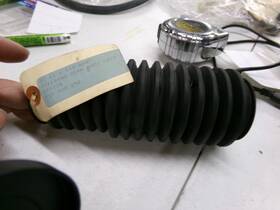
( Manufacturer Part Number: 32111118688 ), ( Part Type: Boot )
Review BMW Rubber Boot Genuine Nos fits E21
BMW E21 3-Series (1975-1983) Rubber Boot Set (Part No: 321 111 186 88)
Description:This BMW rubber boot set, specifically designed for BMW E21 3-Series models manufactured between 1975 and 1983, is an essential accessory for maintaining the optimal performance and protection of your vehicle. The rubber boots safeguard vital suspension and steering components from the damaging effects of road debris, moisture, and other harsh environmental conditions.
The BMW 321 111 186 88 rubber boot set includes several essential rubber components. These include:1. Lower Control Arm Boots: These boots protect the lower control arms from water, road debris, and other external elements that can cause wear and tear over time. Damaged or worn-out lower control arm boots can lead to increased tire wear, uneven handling, and a less comfortable driving experience.
2. Tie Rod End Boots: The tie rod end boots shield the tie rod ends from damaging road debris, water, and other elements. These boots are crucial for maintaining the proper alignment of the vehicle's front wheels and ensuring safe, stable driving conditions.
3. Steering Rack Boots: These boots protect the steering rack from water, road debris, and other environmental factors that can negatively impact the vehicle's steering system. Damaged or worn-out steering rack boots can lead to power steering leaks, reduced steering responsiveness, and even complete steering system failure.
Each rubber boot in this set is meticulously crafted to ensure a perfect fit for your BMW E21 3-Series. The boots are manufactured using high-quality rubber materials that provide excellent resistance to wear, tear, and damage from the elements. The boots are also designed to be flexible, allowing them to conform to the contours of the suspension and steering components they protect.
Installing the BMW rubber boot set is a straightforward process that can be completed with basic hand tools and a few simple steps. The boots come pre-lubricated, ensuring a smooth and easy installation process. By replacing worn-out or damaged rubber boots with new, high-quality BMW parts, you can help extend the life of your suspension and steering components, improve your vehicle's handling, and enhance your overall driving experience.
In summary, this BMW E21 3-Series (1975-1983) Rubber Boot Set (Part No: 321 111 186 88) is an essential accessory for BMW owners seeking to maintain the performance, protection, and longevity of their vehicle's suspension and steering systems. By investing in this high-quality rubber boot set, you can help prevent costly repairs, improve your driving experience, and ensure the continued reliability and enjoyment of your BMW E21 3-Series.
Buying BMW E21 3-series rubber boots (part number: 32 1 11 1 186 88) can have several advantages and disadvantages, depending on individual circumstances. Here's a brief analysis:
Advantages:1. OEM (Original Equipment Manufacturer) replacement: These rubber boots are manufactured by BMW, ensuring a perfect fit and high-quality materials.
2. Proper function and sealing: Rubber boots protect critical engine components from water and debris, preventing potential damage and maintaining the vehicle's performance.
3. Long-term investment: Replacing worn-out rubber boots with new, high-quality ones can save money in the long run by avoiding more extensive engine repairs.
4. Improved driving experience: New rubber boots can lead to a smoother and quieter engine operation, enhancing overall driving comfort.
Disadvantages:1. Cost: BMW OEM parts can be more expensive than aftermarket alternatives, which may deter some buyers.
2. Availability: These parts may not be readily available at local auto parts stores, requiring online purchases or special orders.
3. Installation complexity: Depending on the specific engine and application, installing new rubber boots can be a time-consuming and labor-intensive process.
Conclusion:When deciding whether to buy BMW E21 3-series rubber boots (part number: 32 1 11 1 186 88), consider the advantages of OEM quality, proper function, long-term investment, and improved driving experience. Weigh these benefits against the potential disadvantages, such as cost, availability, and installation complexity. If you prioritize the advantages, it may be worth the investment for a reliable and high-performing vehicle. If cost is a significant concern, exploring aftermarket alternatives may be a more viable option. Ultimately, the decision depends on your personal priorities, budget, and the condition of your vehicle.
Details:
A lot of this is No Longer Available, and New Old Stock.
part #: 32111118688 prices
- $15.00-$18.26
specifications cpartransmissio:
- for models: E21
- for makes: Bmw
- mpn: 32111118688
- part type: Boot
payments cpartransmissio:
- other
- wallet: Google-pay
- credit card: Discover
seller cpartransmissio:
- rating: 100.0%
- # reviews: 18
- city: Rock Hill, South Carolina
general cpartransmissio:
- Car Truck Parts Accessories > Transmission Drivetrain > CV Joints, Boots Parts
- condition: New
shipping cpartransmissio:
- cost: $8.96
- class: Standard
- service: UPS Ground
- type: Calculated
- transit: 2-6 Days
- carrier: UPS
offer cpartransmissio:
- availability: In Stock
- options: Ship-to-home
- sold: 0
- started: November 13, 2025
- quantity: 1
returns cpartransmissio:
- policy: Returns Accepted
- paid by: Seller
- time: 30 Days
Bmw 32111118688 Is Similar To:
- 103-3034 Cv Joint Boot Kit Fits Bmw (25.5% similar) Parts hawk millions of parts. Crazy fast shipping...(March 24th, 2019)
- 300526 Wd Express Cv Joint Boot Kit Fits Bmw Mfg Number (26.3% similar) ...(March 5th, 2019)
- 31 60 1 226 155 Gkn Loebro Bmw Axle Boot Kit For Joint 4019064103455 (28.3% similar) May get any for car want. Bmw 325IX axle boot kit for c v joint front left or right outer 1 Gk lowbrow part fits: listing is one brand new with full year warranty. Bmw 155 made by Gk lowbrow if you are not sure about the part fitting your car, please e-mail us cars vain...(December 28th, 2018)
- 31 60 7 518 258 Empi Bmw Mini Cv Axle Boot Kit Front 707924413588 (29% similar) May get any for car want. Recently made by amp coopers con...(October 28th, 2018)
- 31 60 7 549 468 31607549468 Empi Bmw Axle Boot Kit For Front Outer Joint (24.1% similar) Comes with one boot...(October 3rd, 2018)
- 31 60 7 570 270 Empi Bmw Axle Boot Kit For Joint Front 707924307122 (30.2% similar) Bmw axle boot kit for c v joint front inner left or right 1 amp part fits: listing is one brand new with full year warranty. Bmw part 270 made by amp if you are not sure about the fitting your car, please e-mail us cars vain. May get any for car want...(October 28th, 2018)
- 314 495 0001 Wd Express Meyle Cv Joint Boot Kit Fits Bmw Mfg (23.5% similar) IMac mfg number catalog supplied your vehicles manufacturer with the CV joint boot kit...(December 26th, 2018)
- 31607545108 Bmw Oem Cv Axle Joint Boot (20.6% similar) Warranting warranty...(January 28th, 2019)
- 33 21 7 840 673 Gkn Bmw Axle Boot Kit For Joint Rear 4019064124634 (27.2% similar) Bmw E31 E36 E46 E85 E86 axle boot kit for c v joint rear left and right inner oem part fits: listing is 2 kits brand new with full 1 year warranty. May get any for car want...(December 28th, 2018)
- 33211207722 Lobro Genuine Bmw Cv Joint (37.1% similar) Free shipping. Offered here is a new genuine bmw 3-SERIES E21 CV joint for model's in - manufactured by lowbrow, oem supplier to many European makers. Source, inc. Best offer option is for two 2 or more joints only. Features the early version of cross-shaped lowbrow marking dating this production ...(February 3rd, 2019)
- 33219067810 Empi Bmw Early Joint Axle Boot Kit Rear Outer Cv (25.2% similar) Bmw E30 early c v joint axle boot kit rear outer l r CV protection bellows brand amp part numbers...(October 28th, 2018)